Fullblood Valais Blacknose · Northwest Ohio
A small family flock of 100% fullblood Valais Blacknose — maximum-points lineage on both the dam and sire sides, handled every day, and sold to people who will love them as much as we do.
Who we are
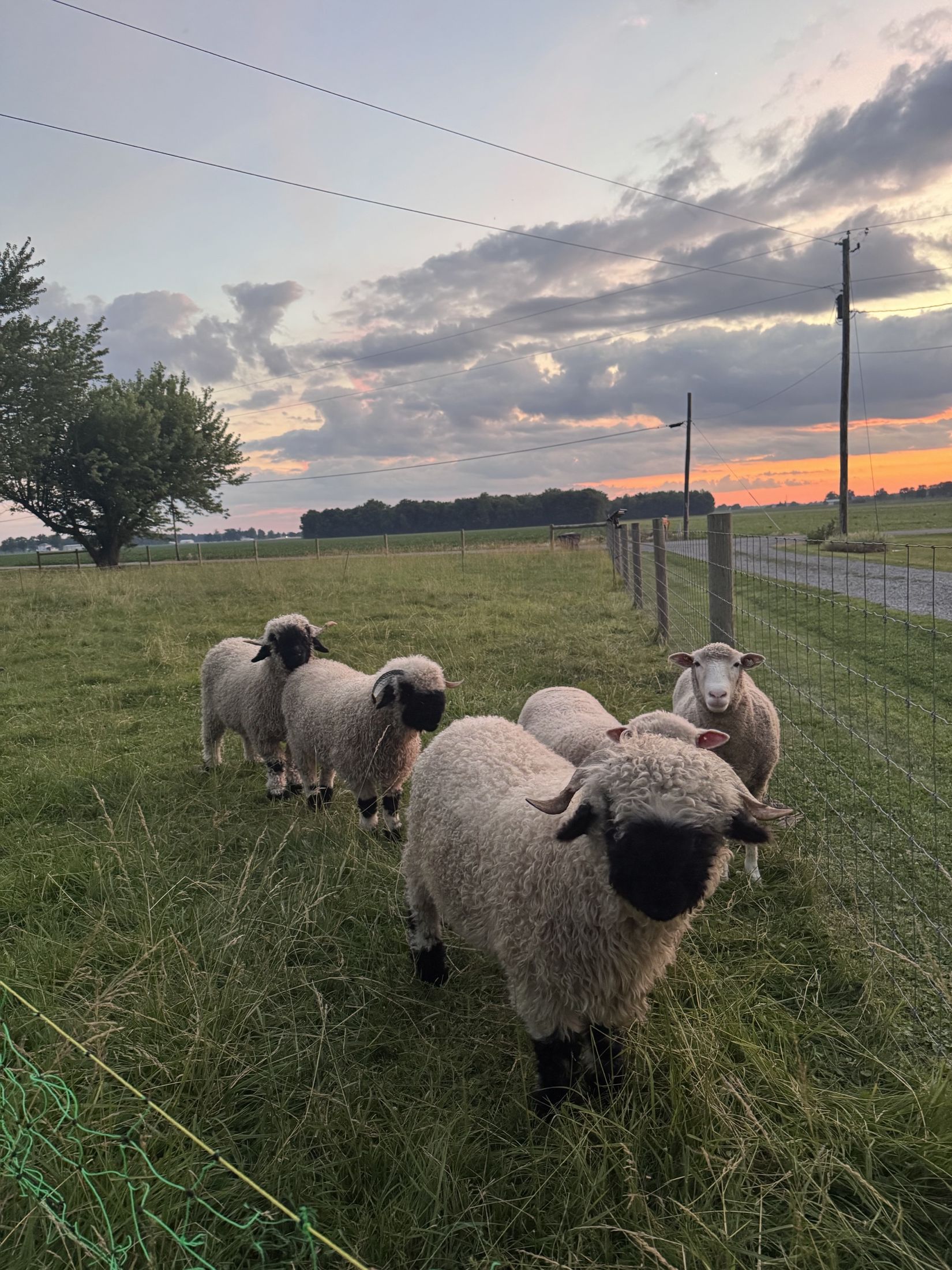
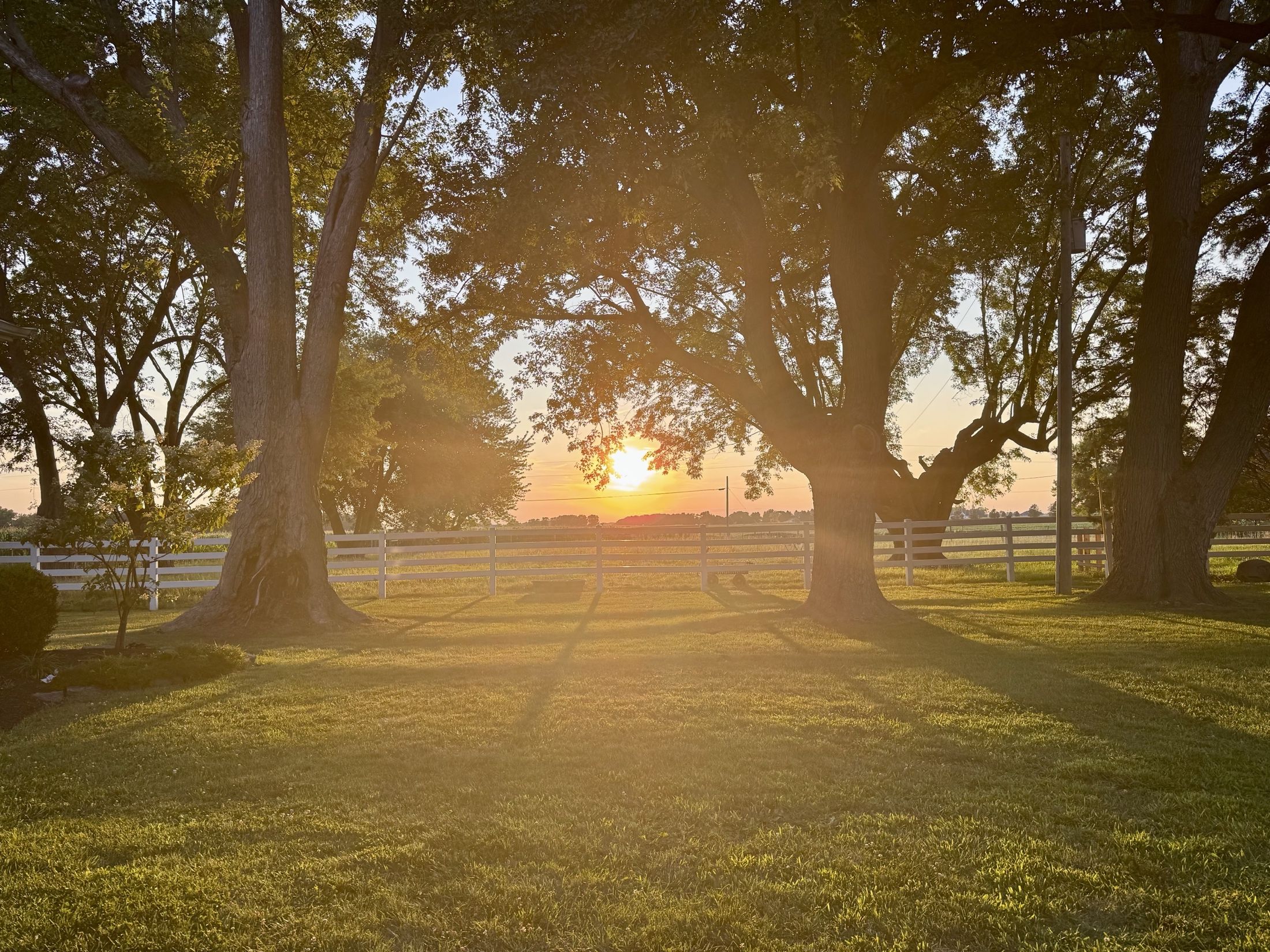
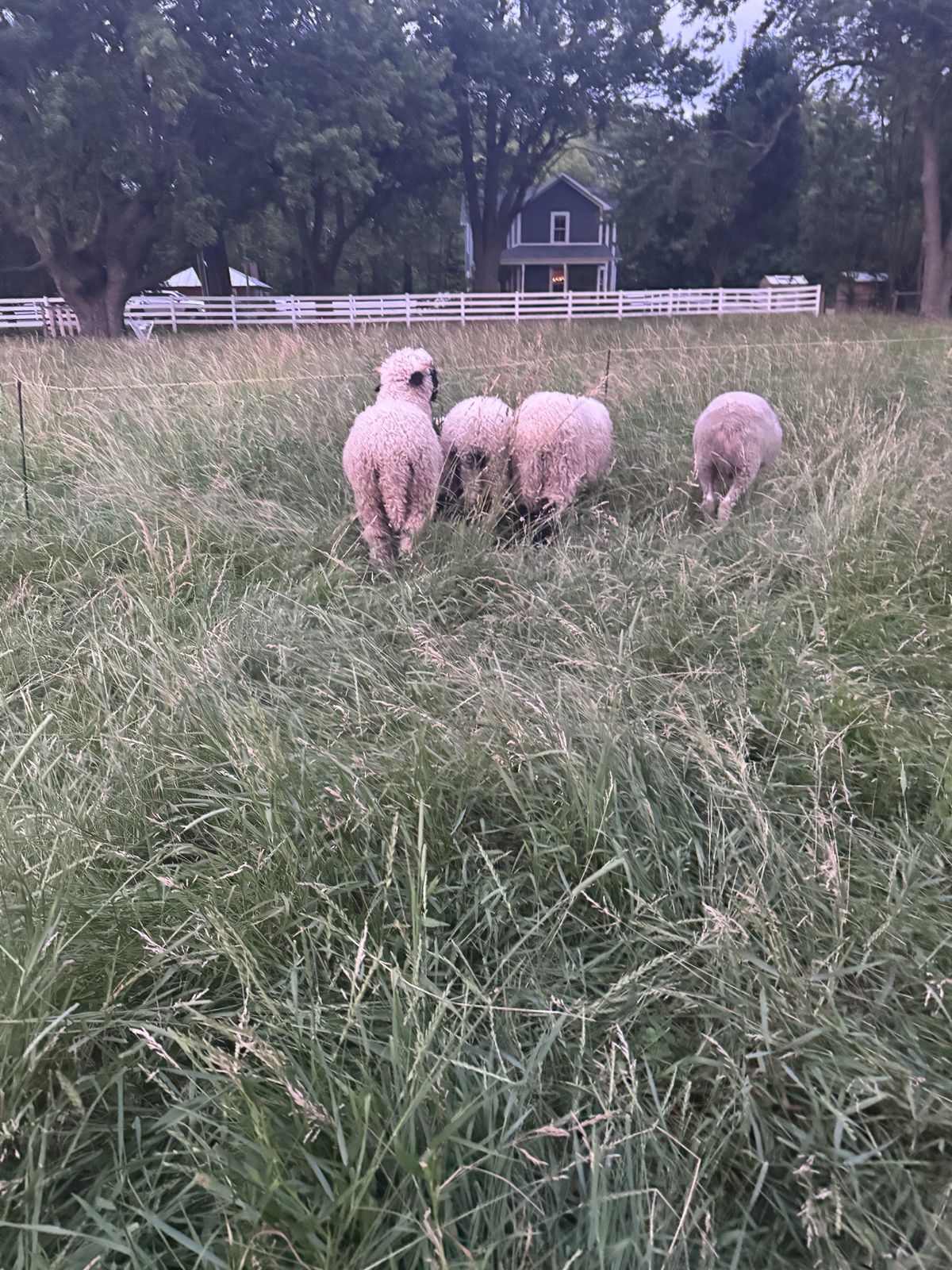
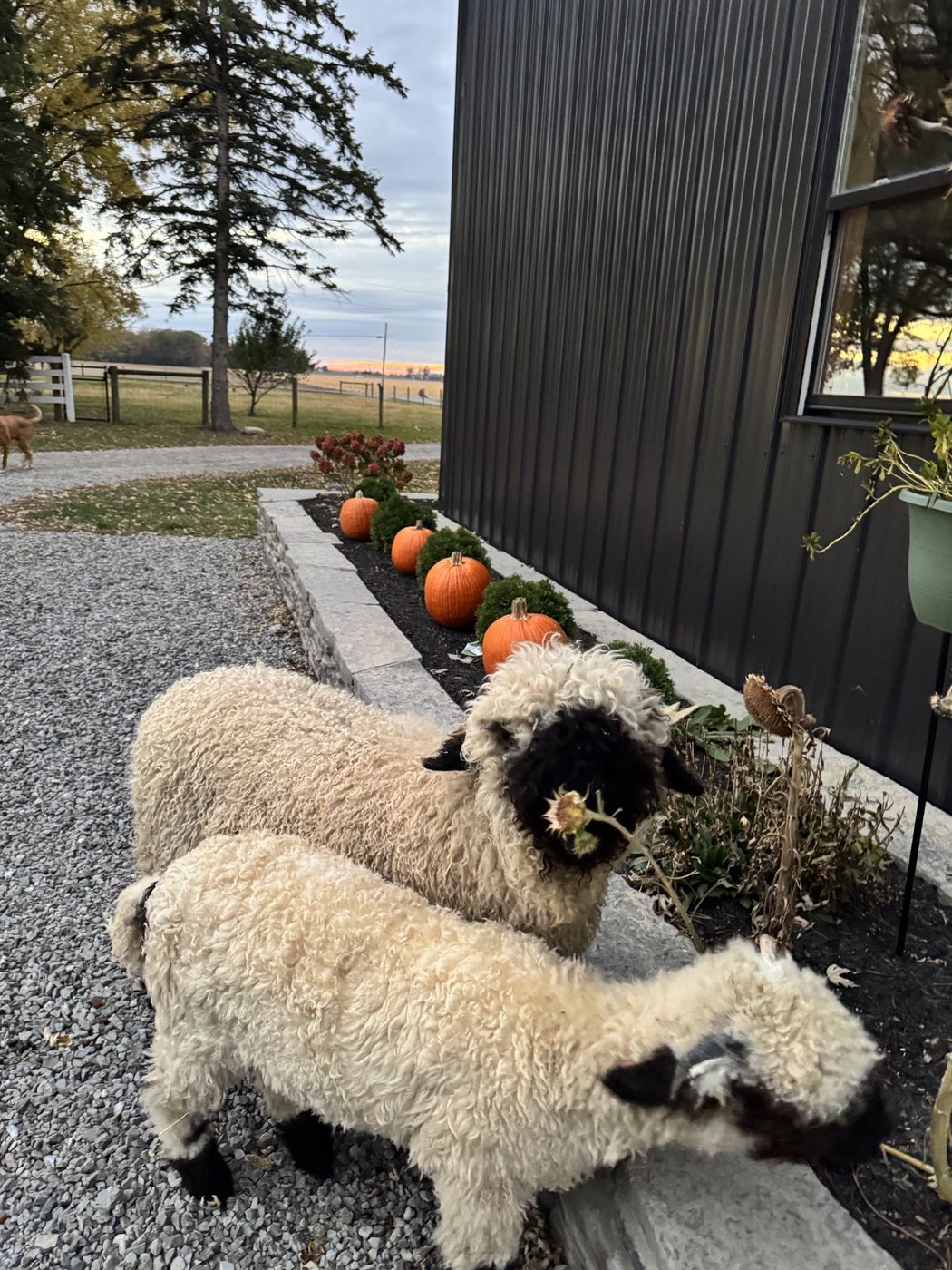
We are Gail Crites and family, and we keep Valais Blacknose on a few quiet acres outside Lima, Ohio — corn on three sides, a bank barn our lambs were born in, and a white fence our daughter runs along every evening at chore time.
Valais Blacknose came out of the Swiss Alps and nearly disappeared twice. They only reached North America recently, which means every good flock here is still being built one careful breeding decision at a time. We take that seriously: correct markings, correct horns, sound feet, and the calm temperament the breed is known for.
We breed 100% fullbloods only, with maximum-points animals behind both the dam and the sire lines. No percentage stock, no breed-up program. We don't sell semen or embryos and we don't run the show circuit — we breed good sheep and we sell them to good homes, and that is the whole of it.
We are small on purpose. Every lamb born here is handled from day one and goes home with us on the other end of the phone for as long as you own it.
Availability
We have nothing available at the moment. The next crop is due in the spring, and lambs should be ready to go to new homes from around May 2027.
Everything born here is placed from the waitlist, in the order people joined it. If you think you want one, the time to get in touch is before the lambs are on the ground — not after the photographs go up.
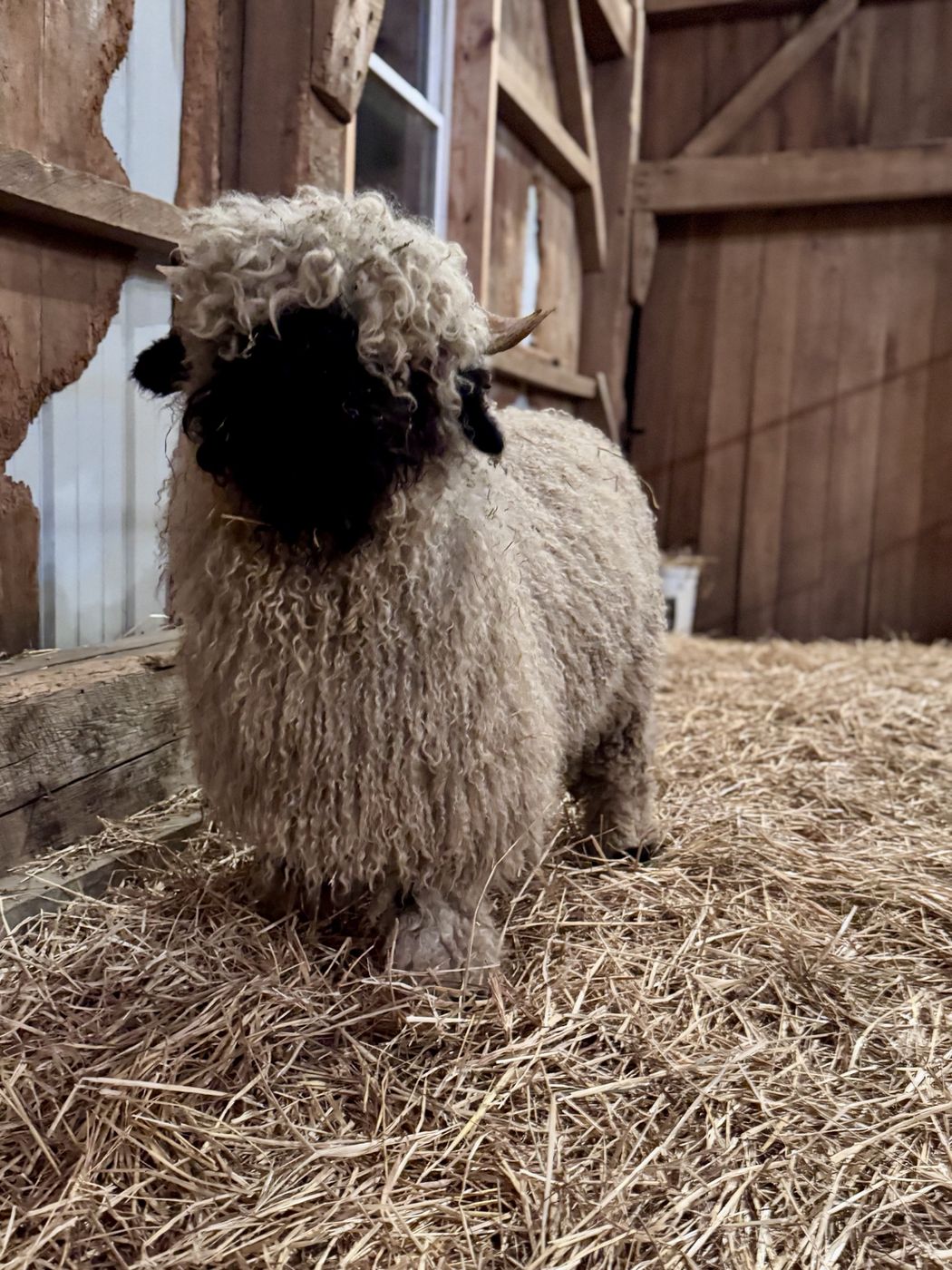
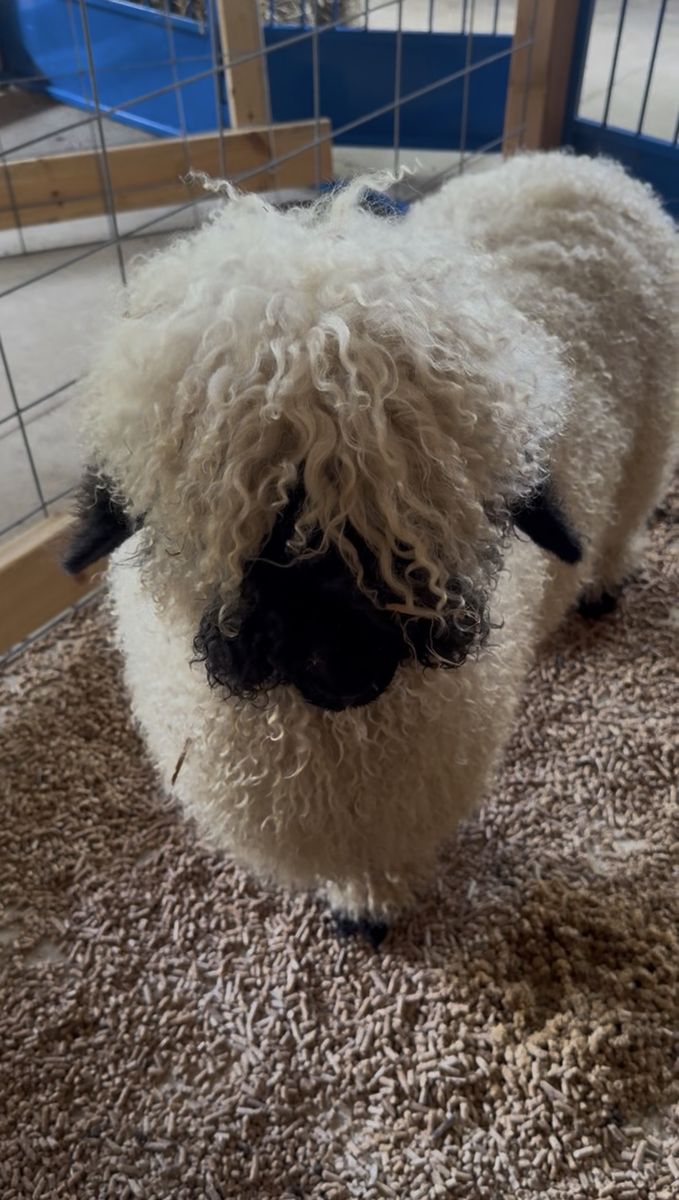
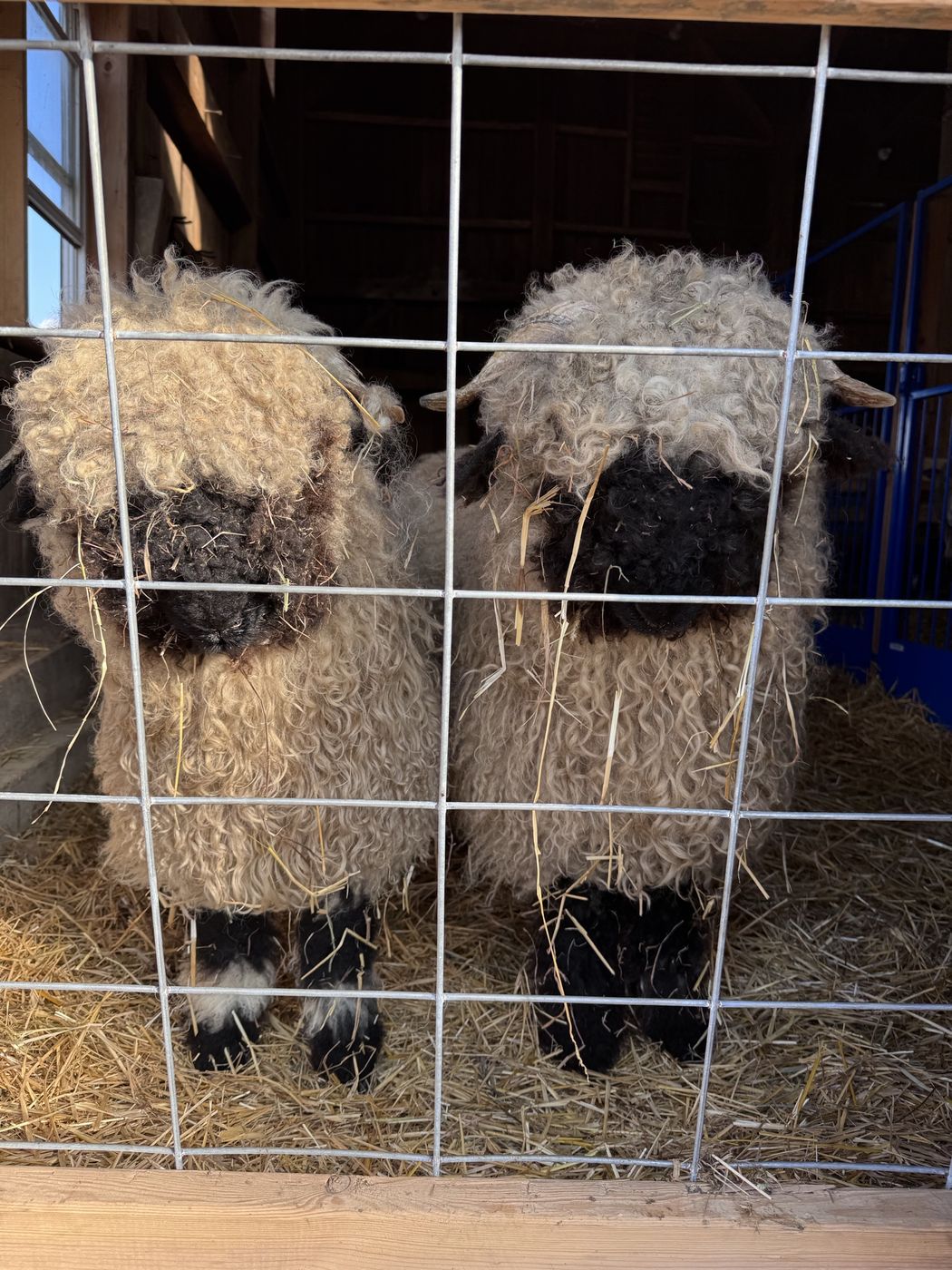
Lambs from previous years. This section will list the spring lambs by name, with pedigree, as soon as they are ready.
The flock
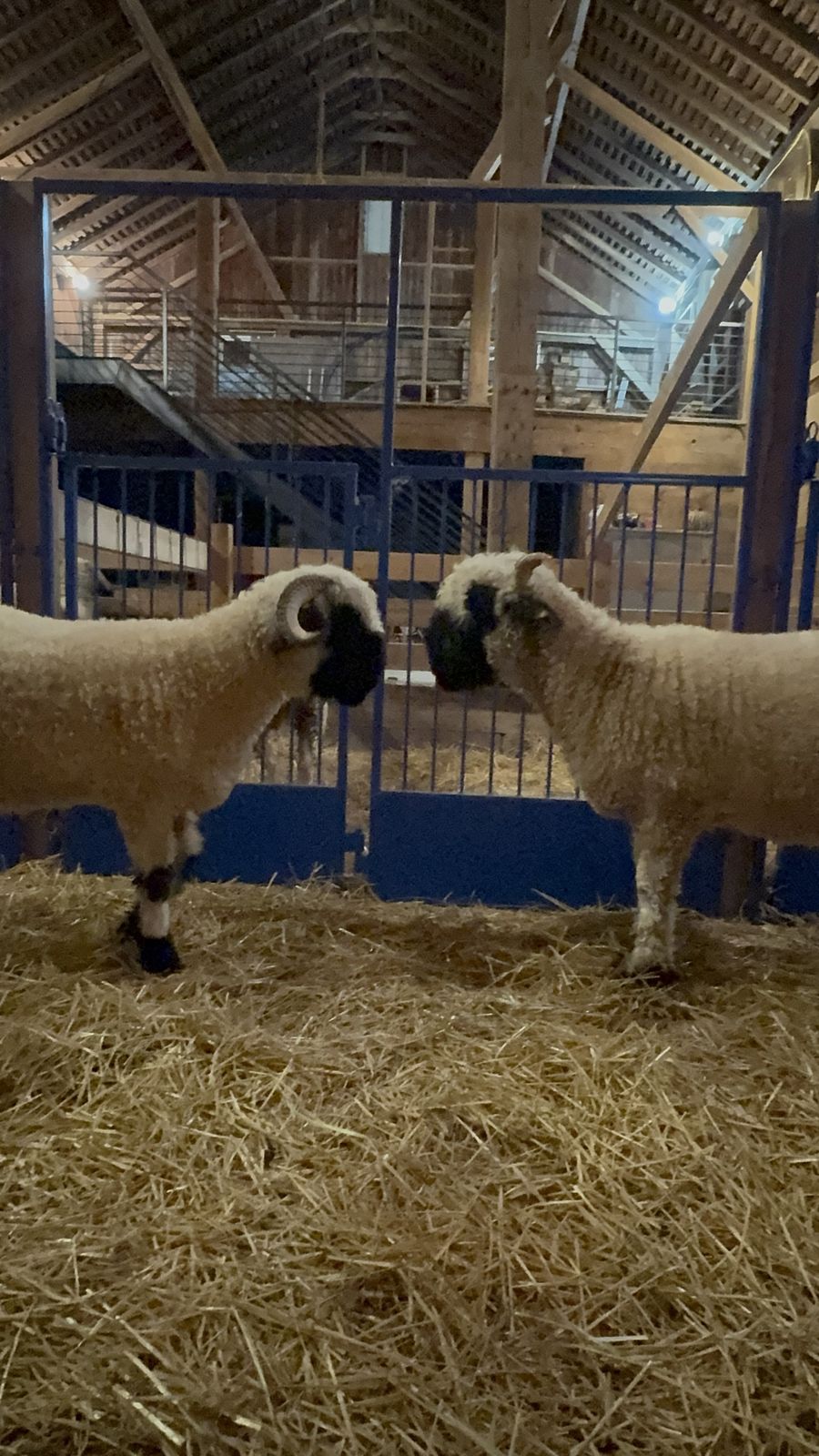
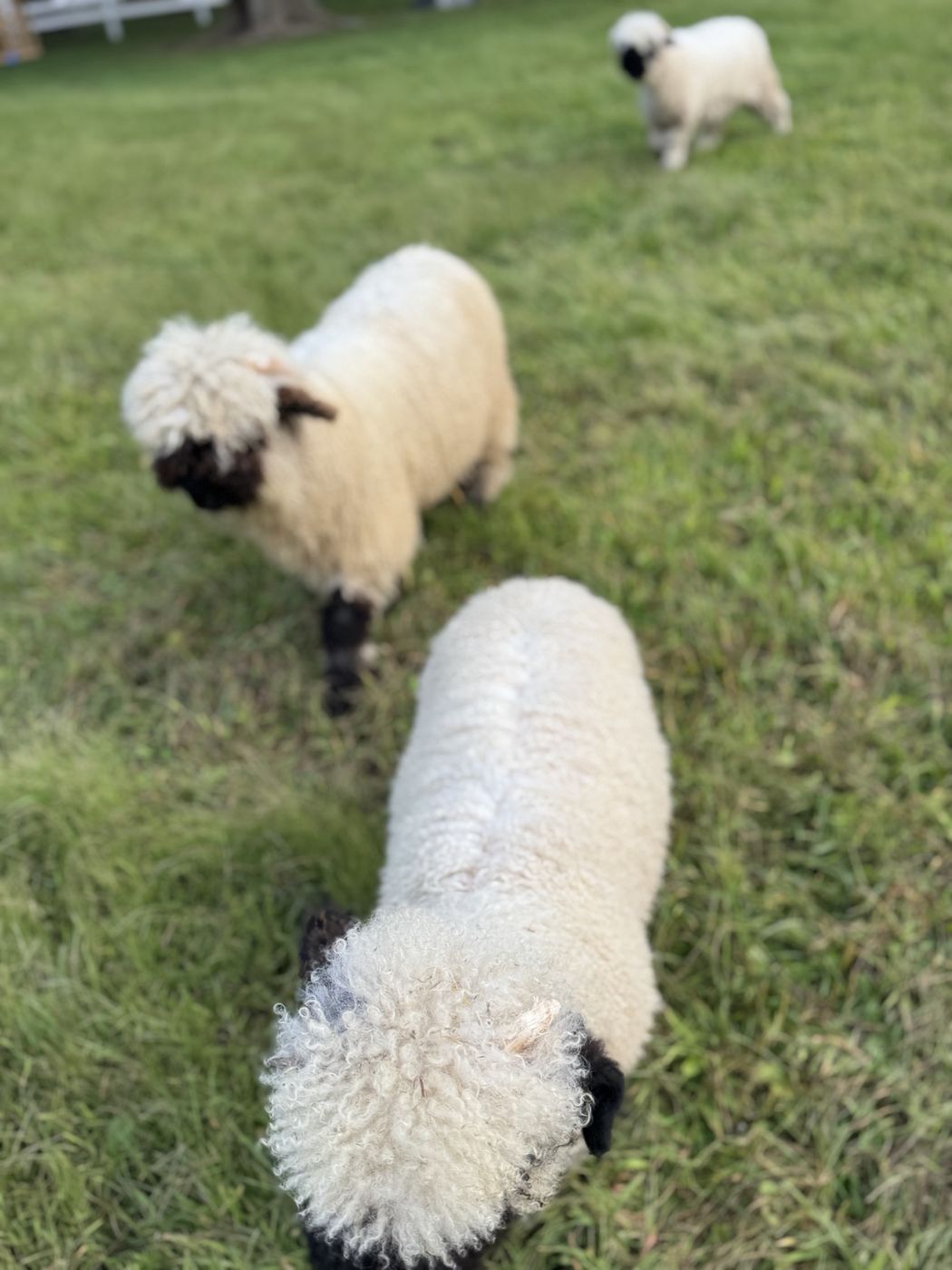
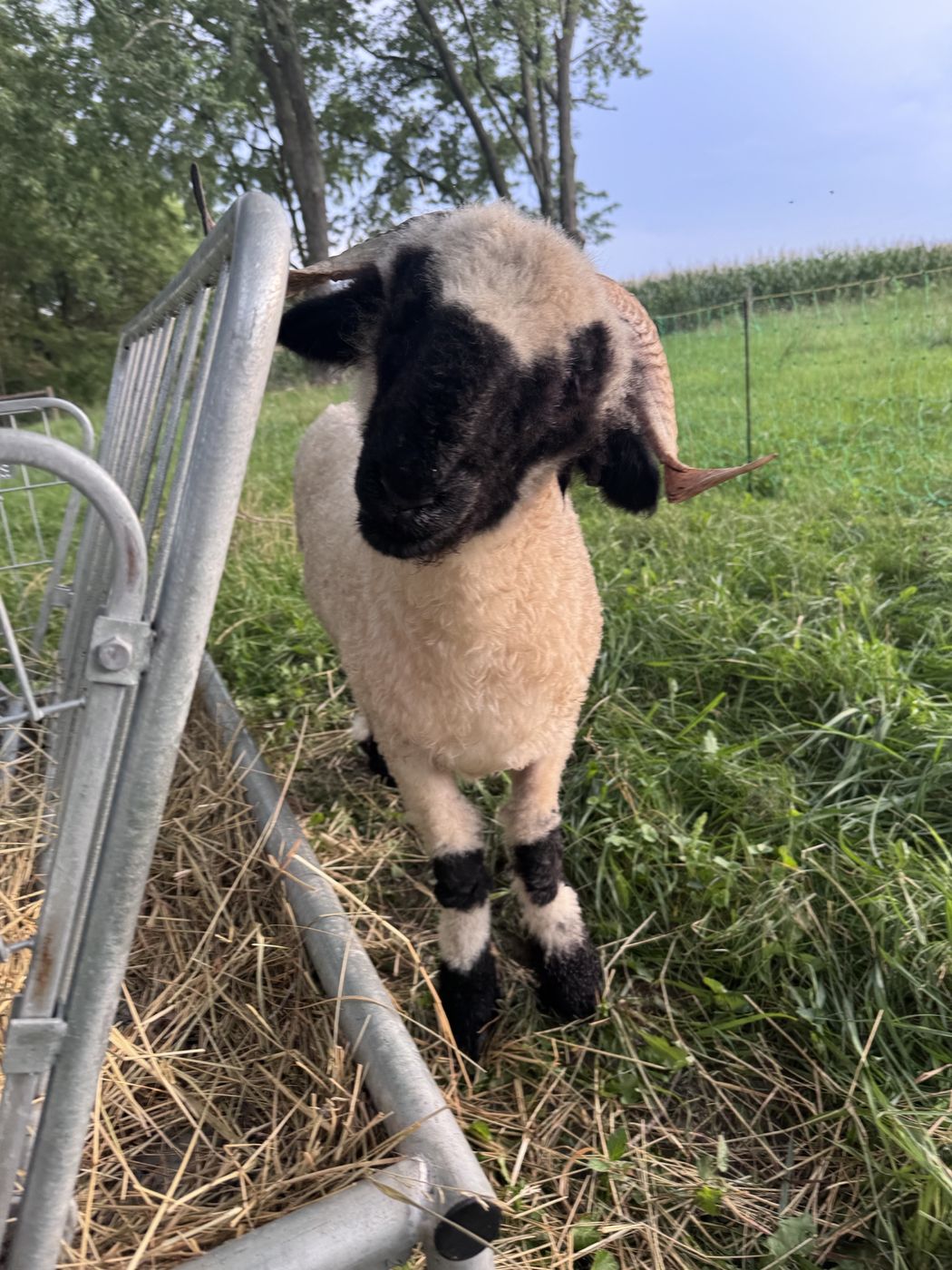
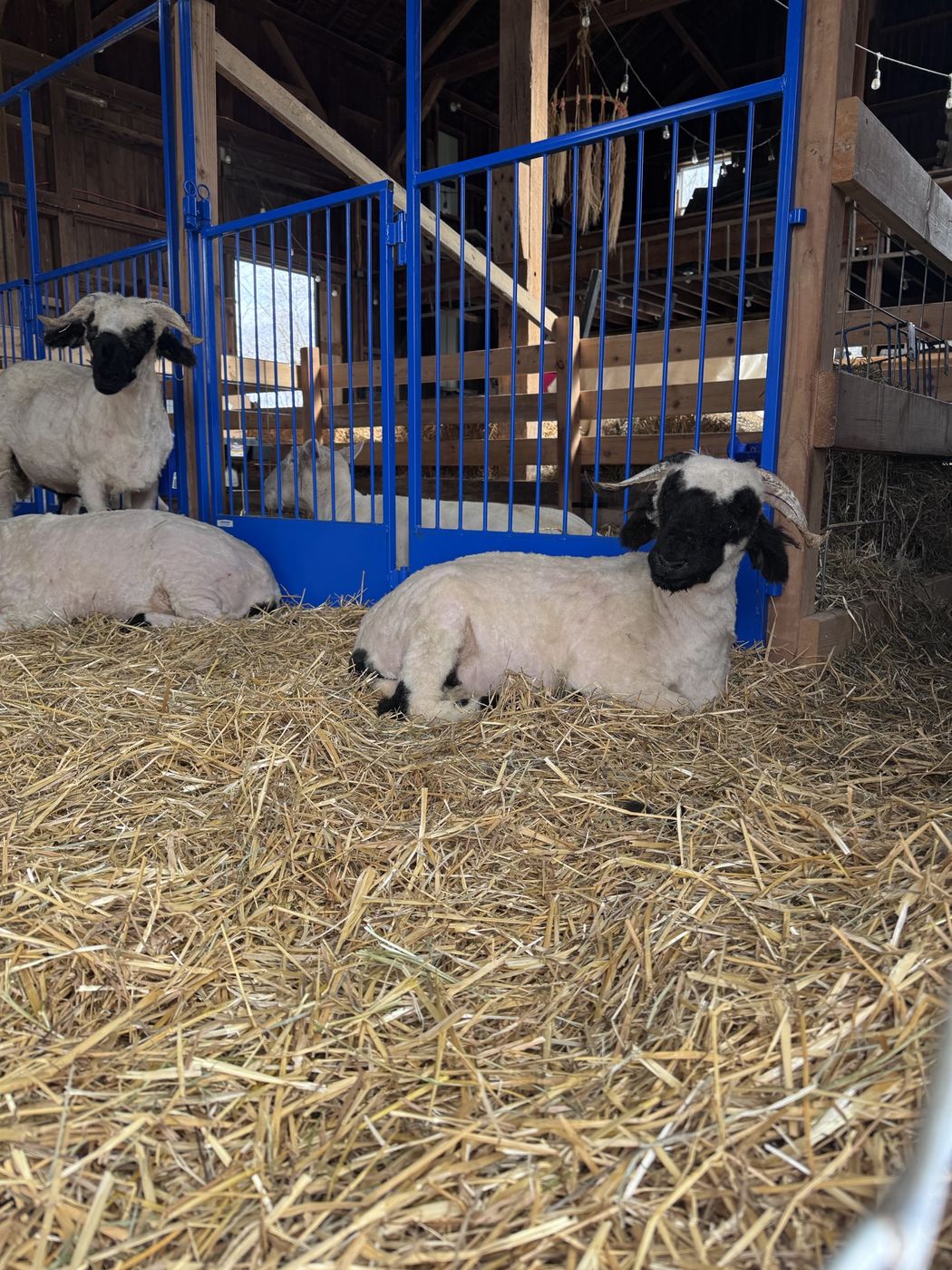
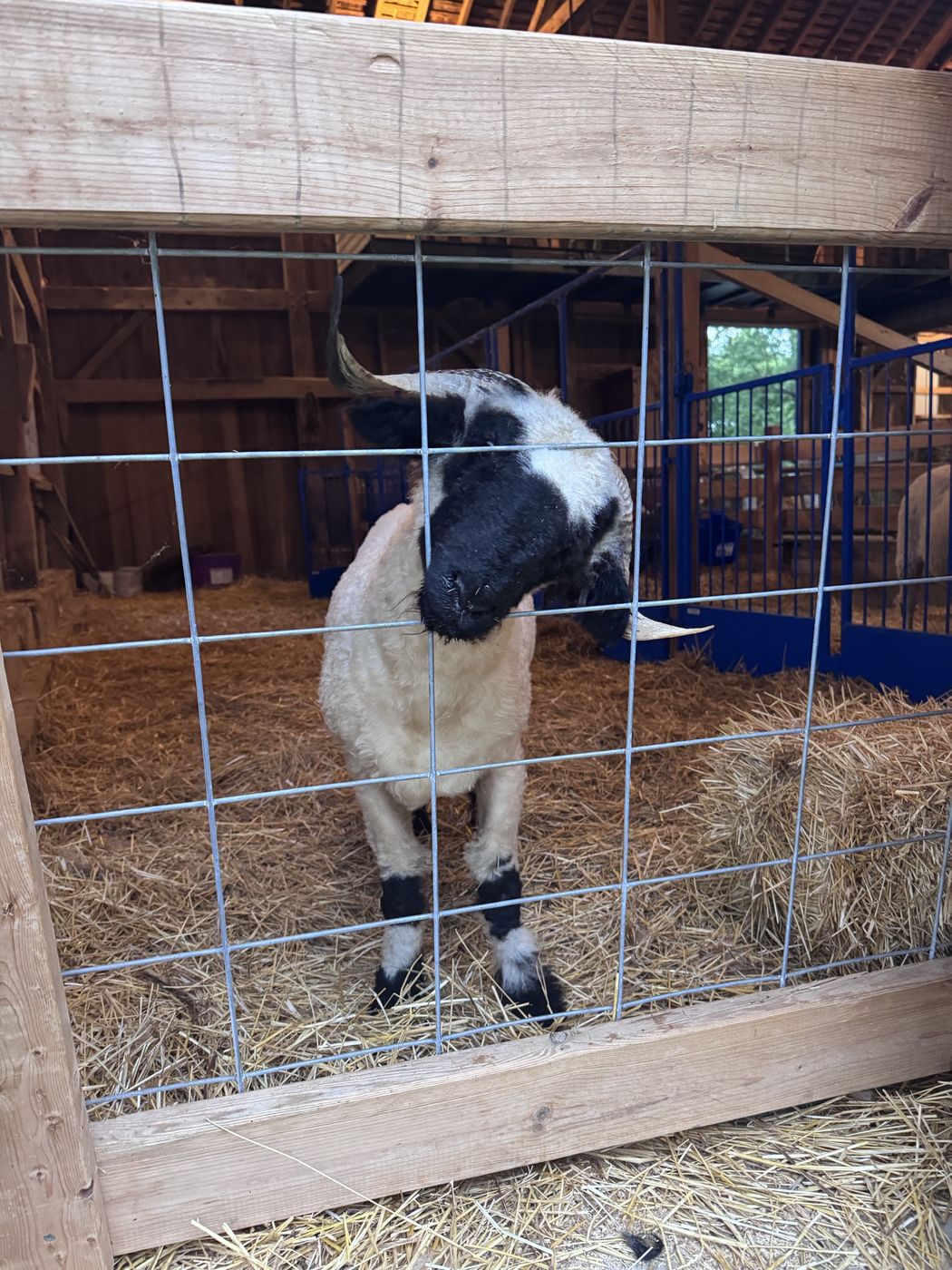
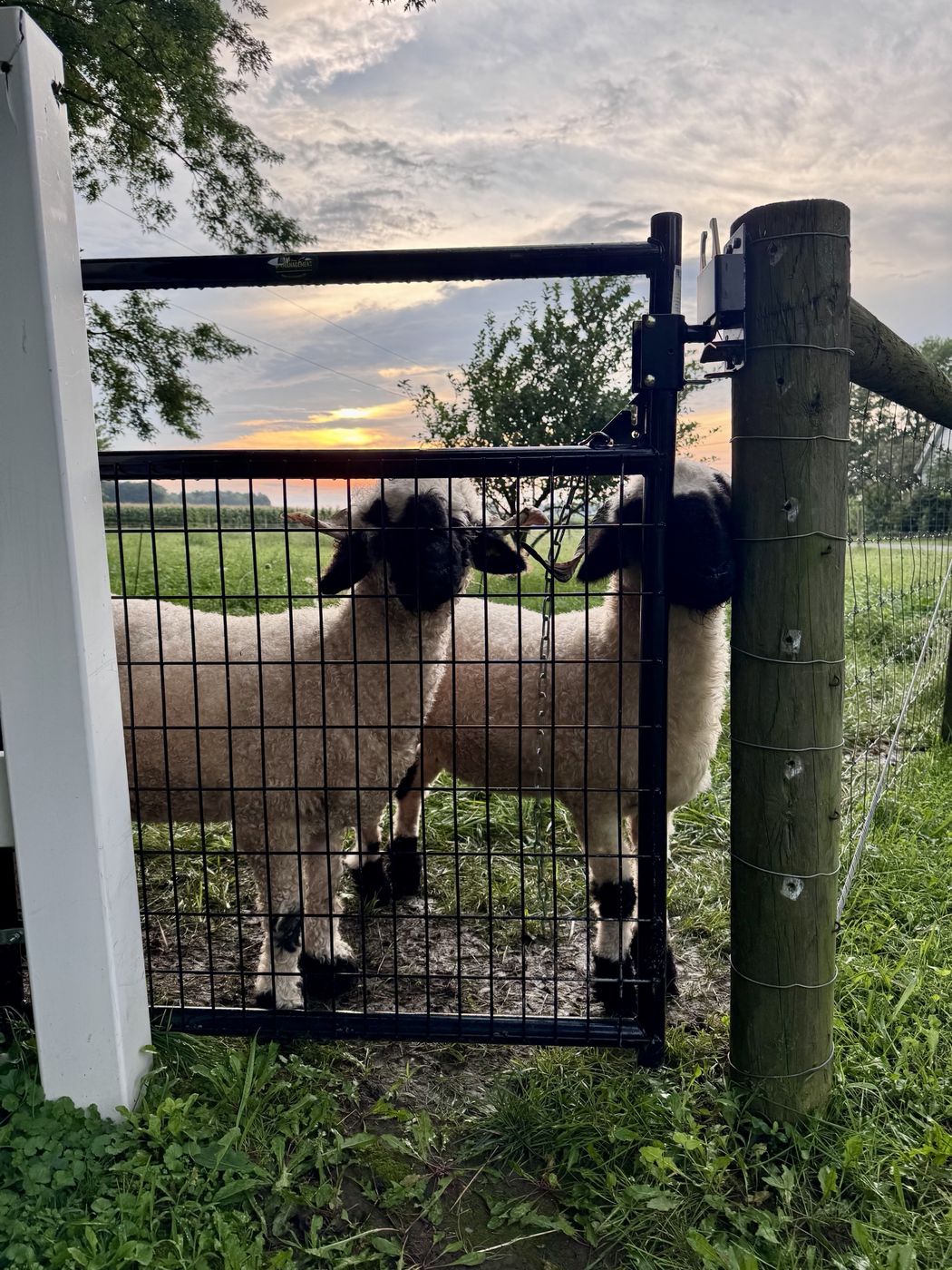
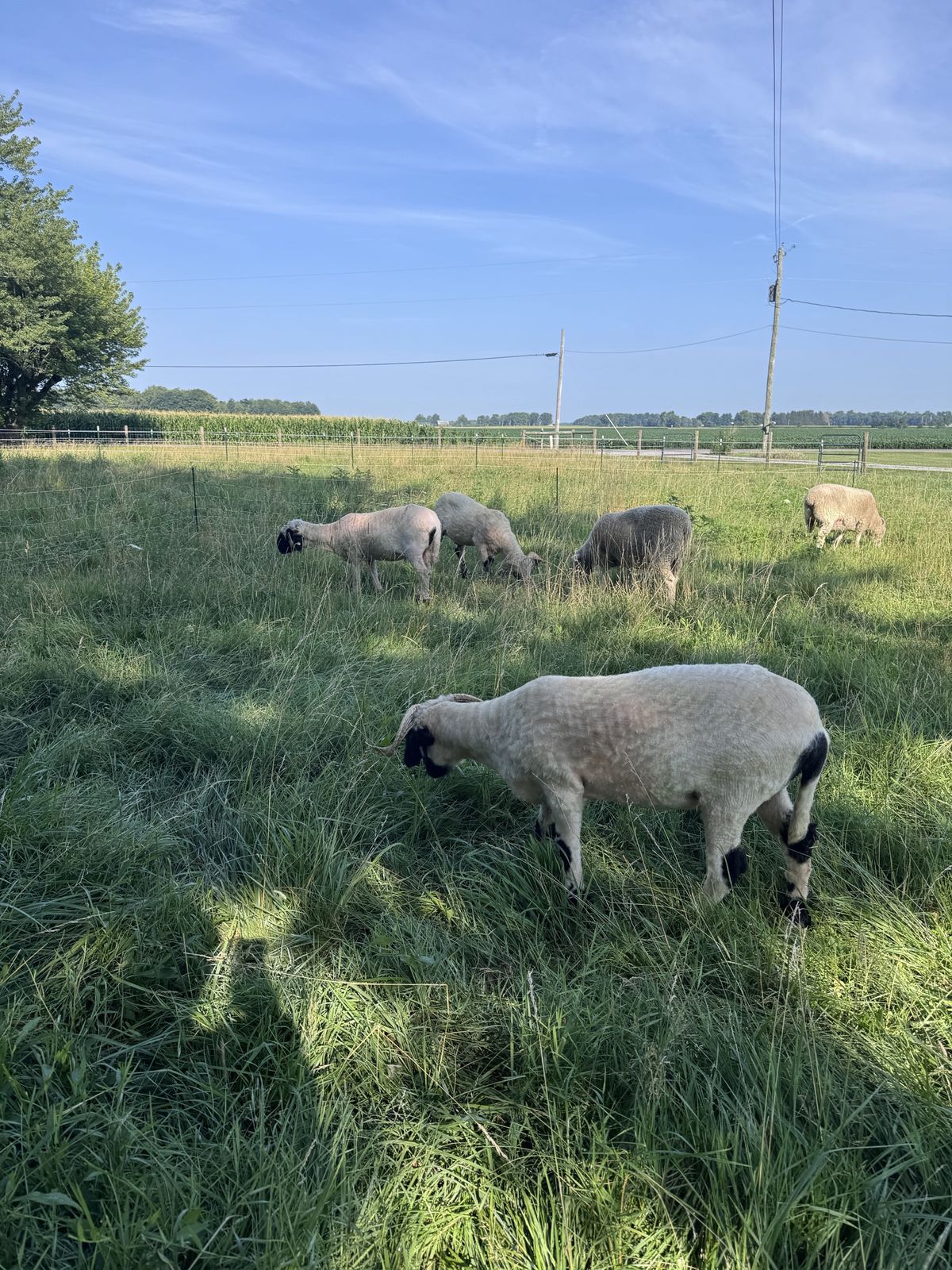
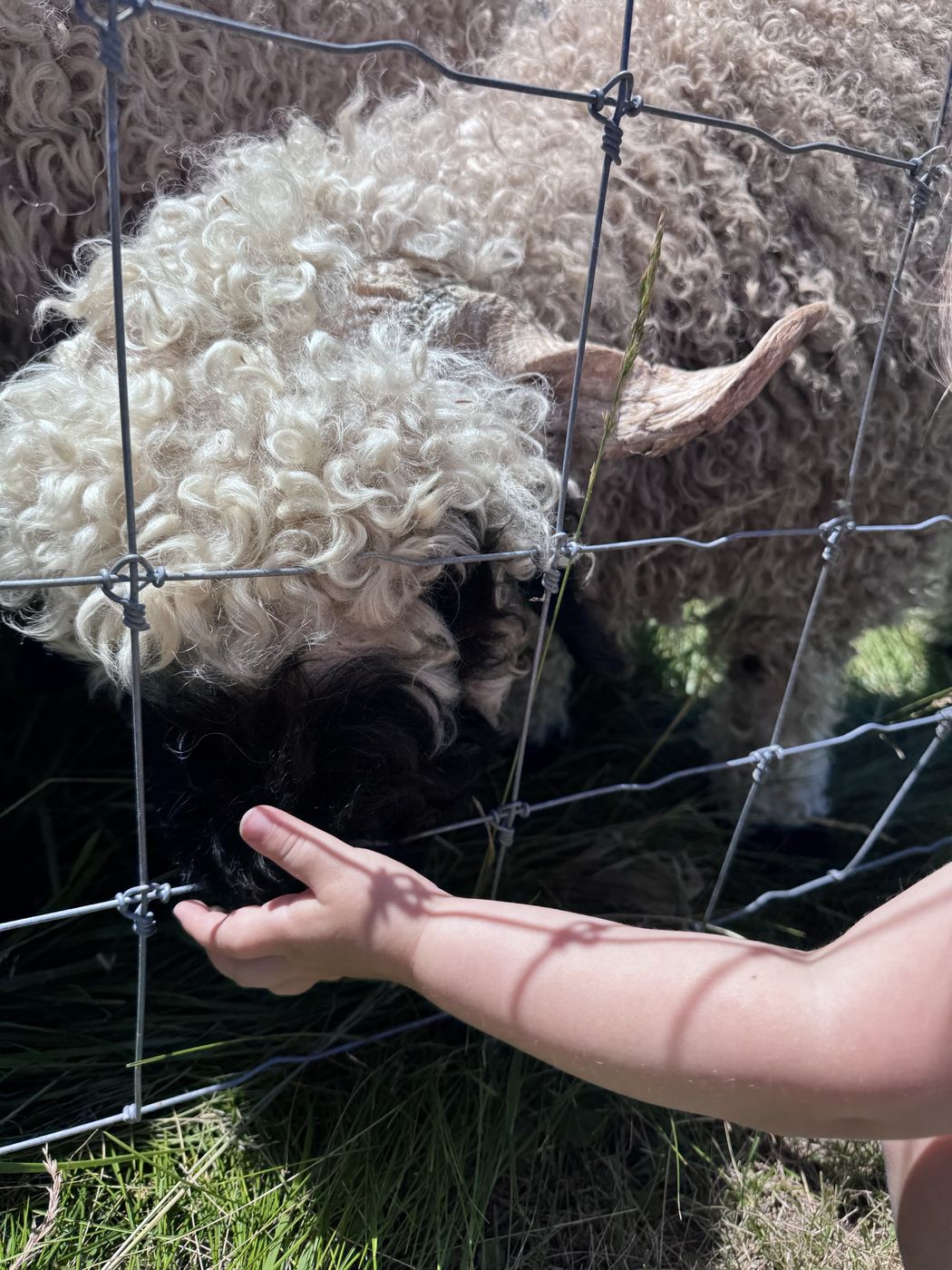
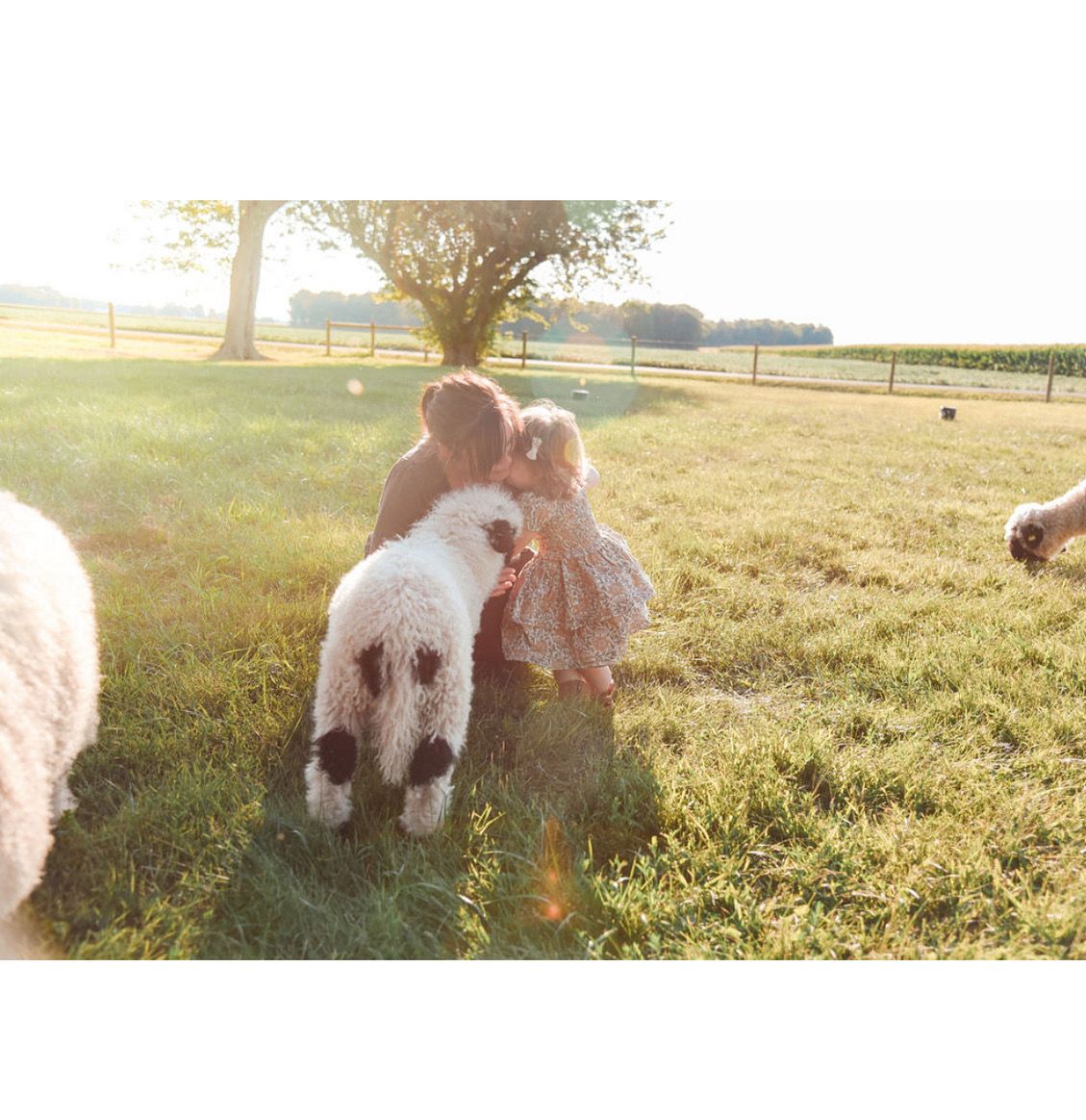
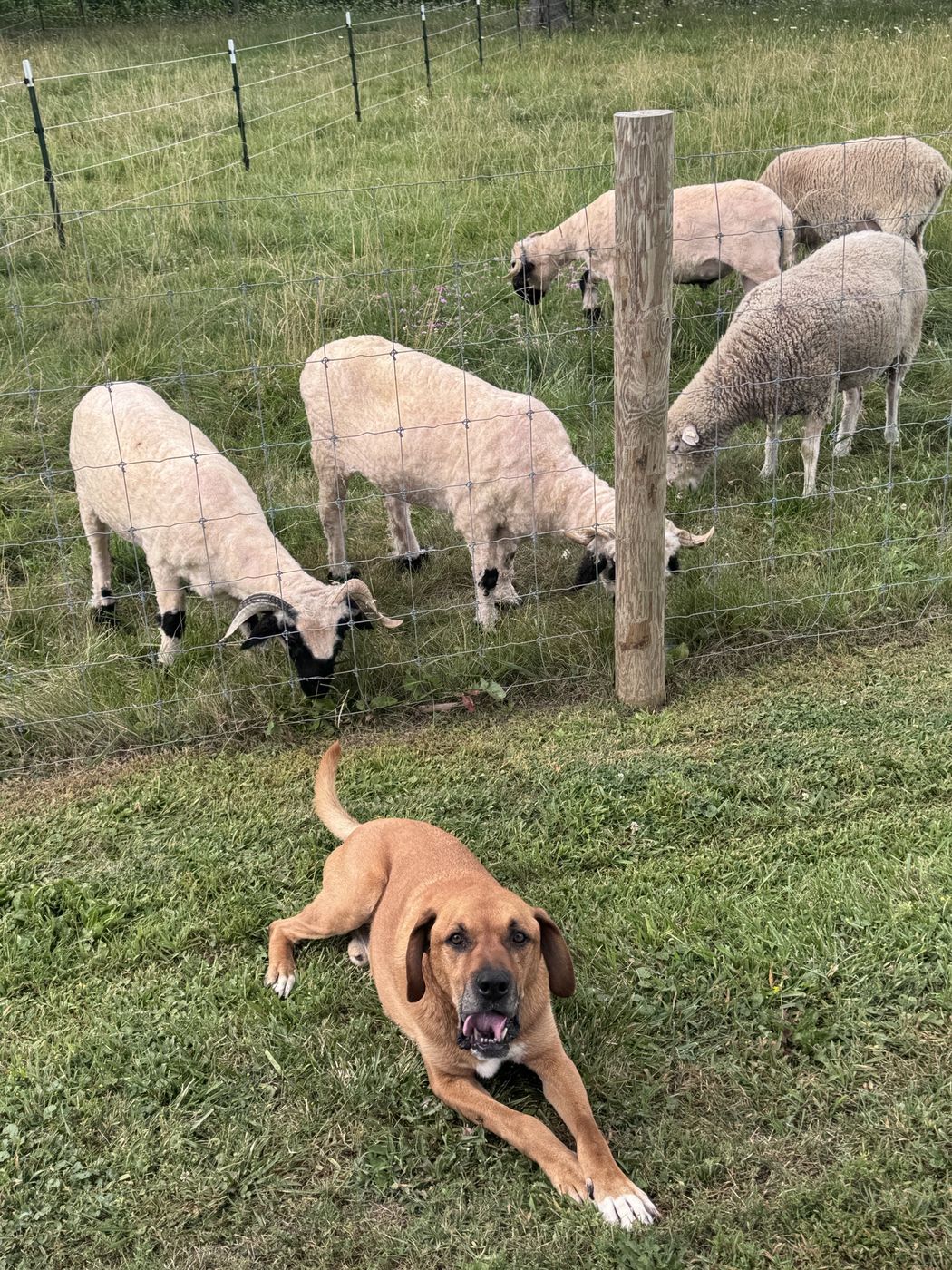
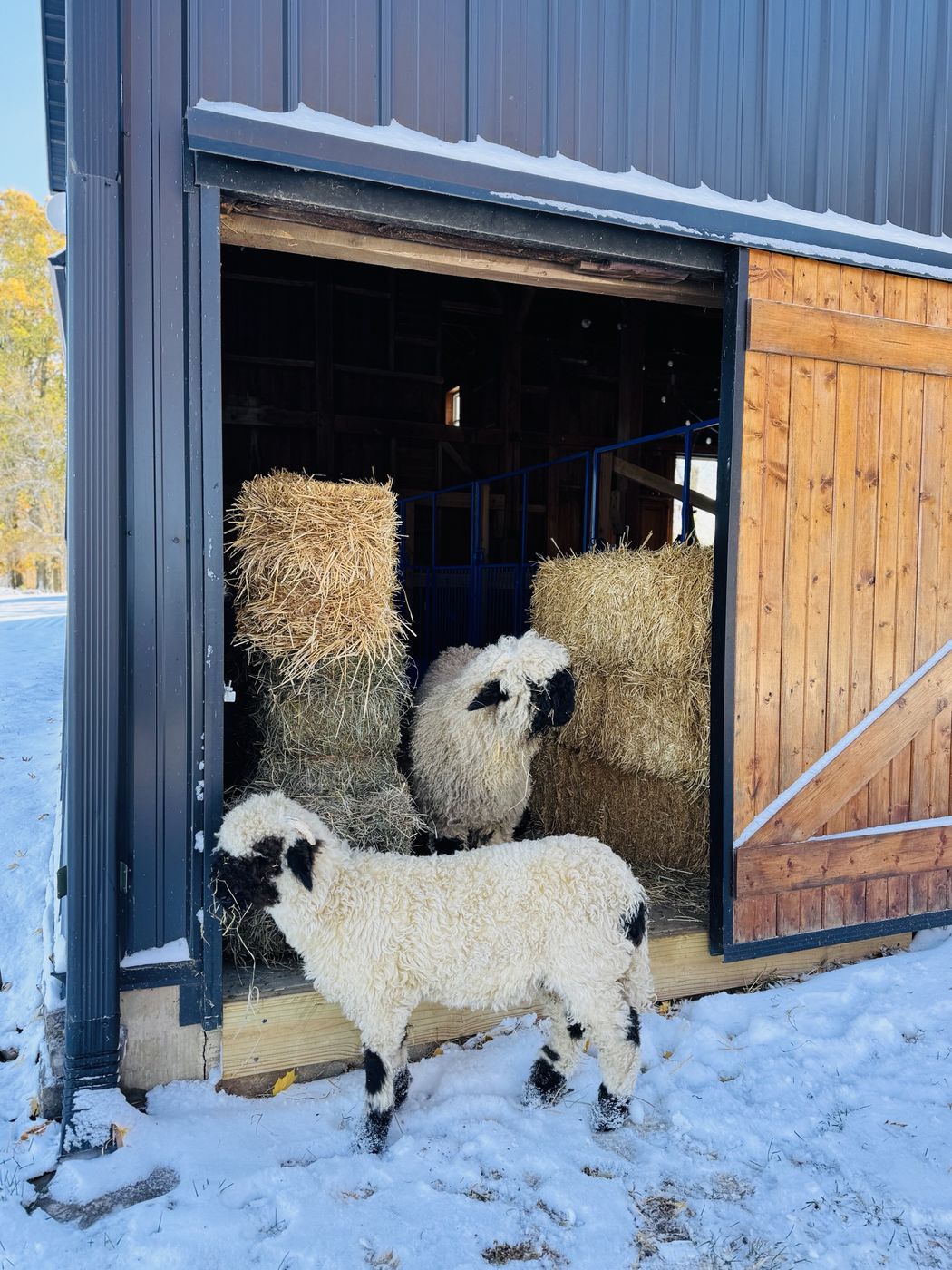
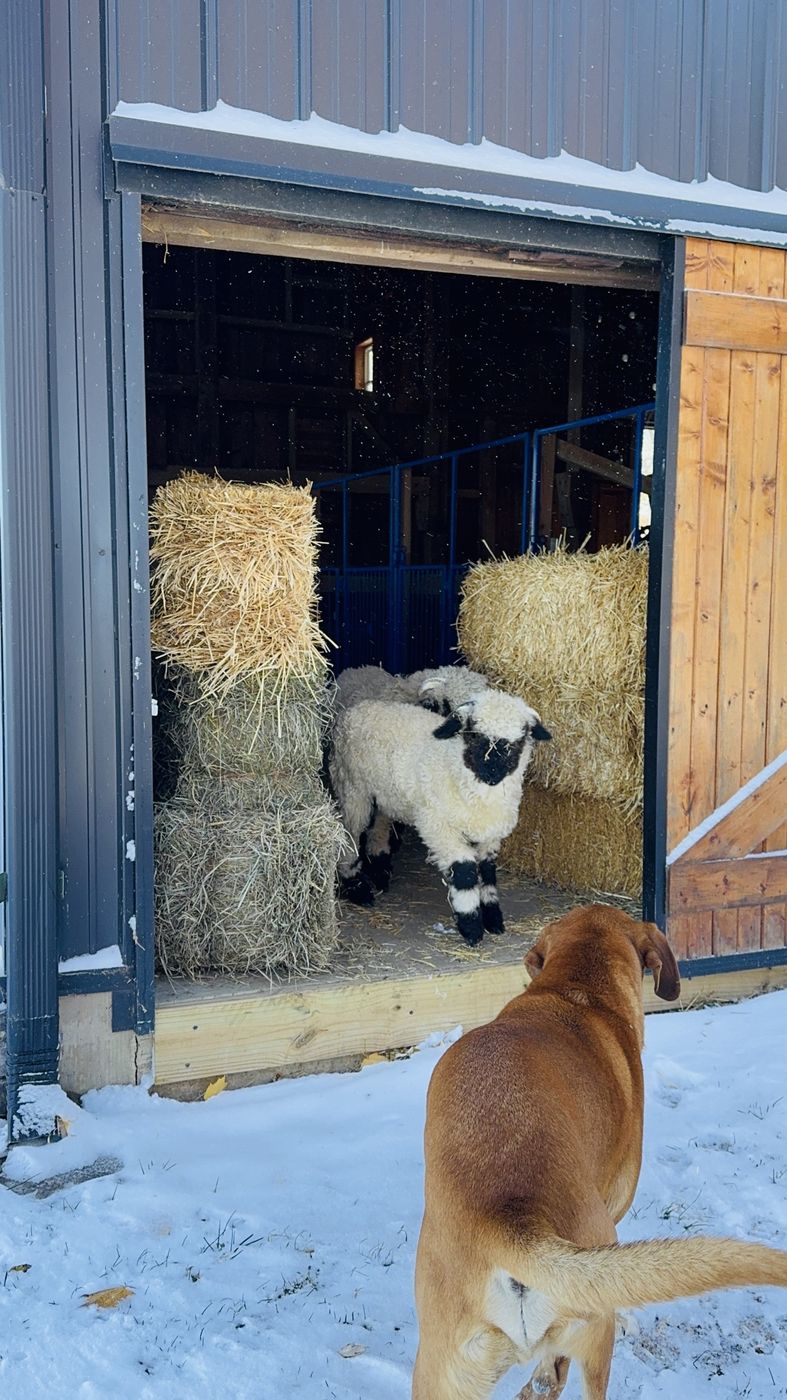
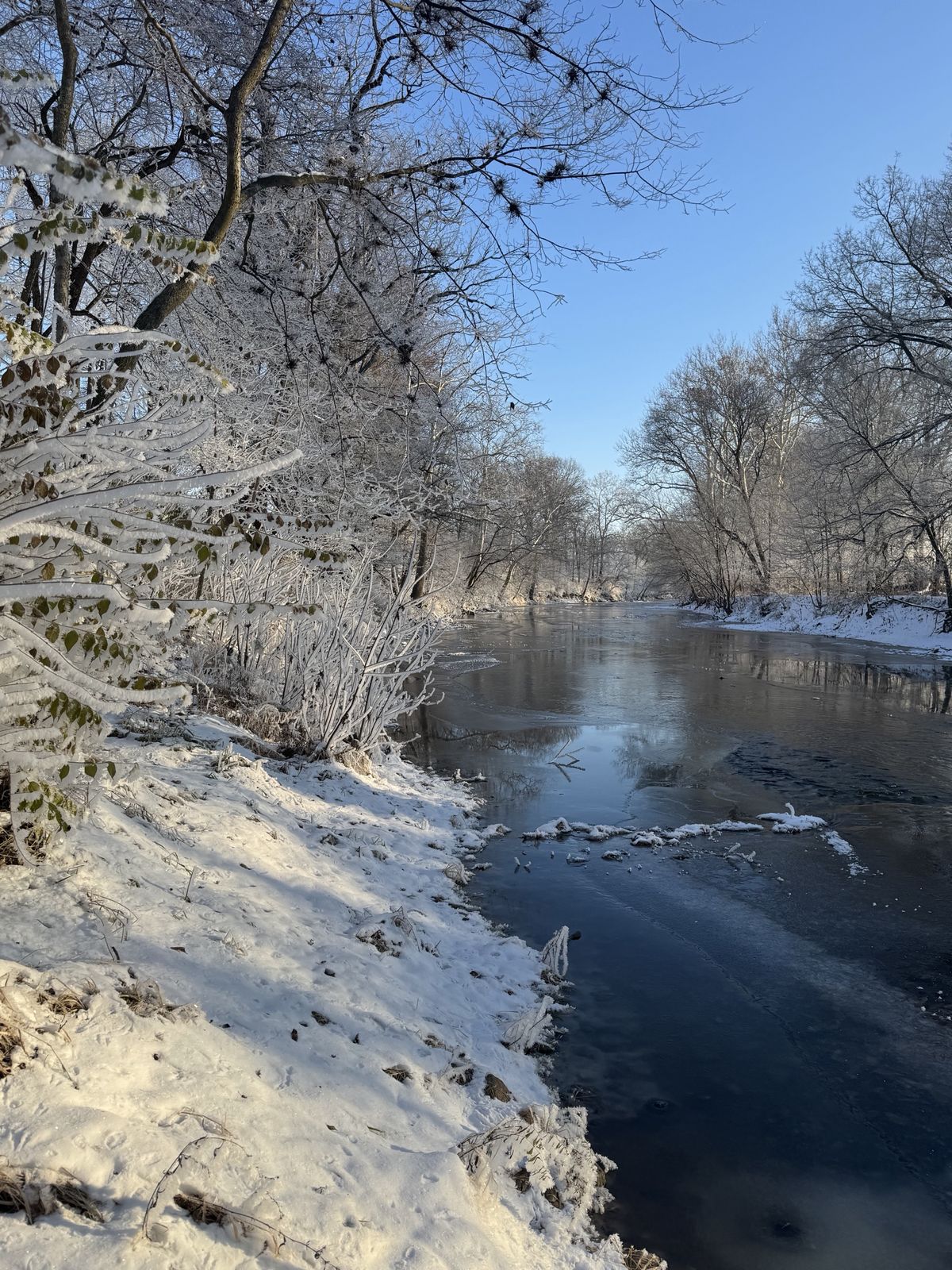
No stock photography, no images borrowed from farms overseas, nothing generated. These are our animals, in our barn and our pasture, in the shape they are actually in — woolly in November, freshly shorn in July, muddy in March.
The breed
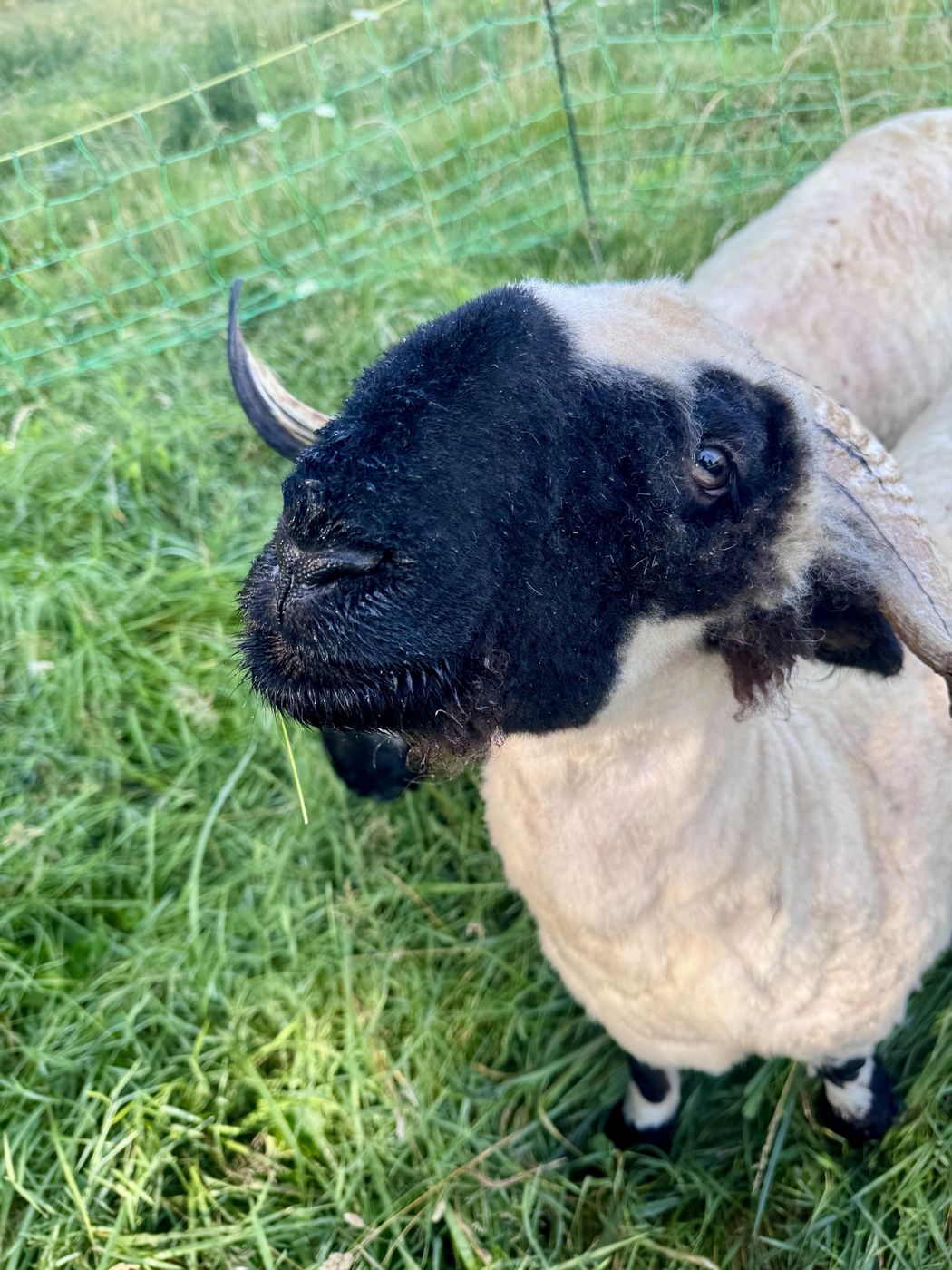
An old Swiss mountain breed from the canton of Valais, recognised in its own right in 1962 and admitted to the Swiss Sheep Breeding Association in 1964. Both ewes and rams are horned, with horns that spiral out sideways. The markings are the breed: black nose, eyes and ears, and black patches on the knees, hocks and feet.
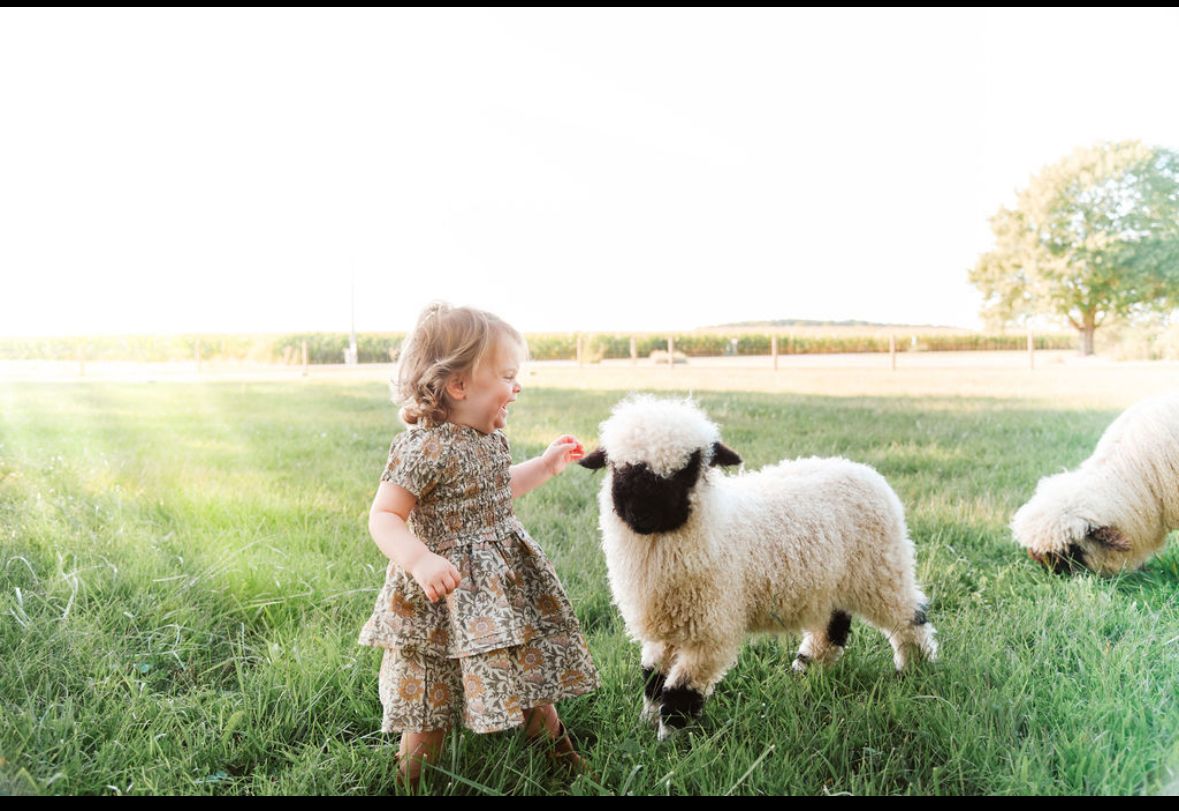
They are famously docile — genuinely easy to halter, bucket-train and handle, which is a large part of why they have travelled so well outside the Alps.
"Maximum points" is not marketing language — it is the top classification under the Swiss scoring system, awarded on conformation, markings and fleece. It is what sits behind both sides of our pedigrees.
Breed figures follow the Swiss standard as published by the Valais Blacknose Sheep Society.
Before you buy
These are expensive sheep, and high prices attract bad actors. We would rather you bought a good animal from someone else than a poor one from us, so here is the same checklist we use ourselves.
Arrange a viewing before any money changes hands. Deposits are usually non-refundable, and conformation and fleece quality are very difficult to judge from photographs.
The parents tell you more about how a lamb will mature than the lamb does. A breeder who is proud of their program will be glad to walk you out to them.
Teeth, toes, teats and testicles, all in good order. Bright eyes, sound movement, no limping. Never buy a limping animal, however good the story is.
Confirm the pedigree with the registry directly rather than taking the seller's paperwork at face value, and check that the certificate matches the animal in front of you. For embryo-transfer lambs, both donor parents should be registered and DNA-profiled.
The tag is the animal's identity and links it to the holding where it was born. Never remove or replace one — that makes the sheep unidentifiable and unregisterable.
Vaccination and worming schedule, and any flock testing certification. If you need specific genotype or disease-status stock, ask for the supporting paperwork up front.
If you are not breeding, a castrated male is a sensible and much less expensive option — good natured, easy to keep, and every bit as charming in the yard.
Ask as many questions as you like, and never feel obliged to buy. If the price seems too good to be true, or something simply feels off, walk away.
Adapted for US buyers from the Valais Blacknose Sheep Society's published buyer's guide. Registry procedures and paperwork differ between the UK and the US — ask us and we will point you to the right registry.
The farm
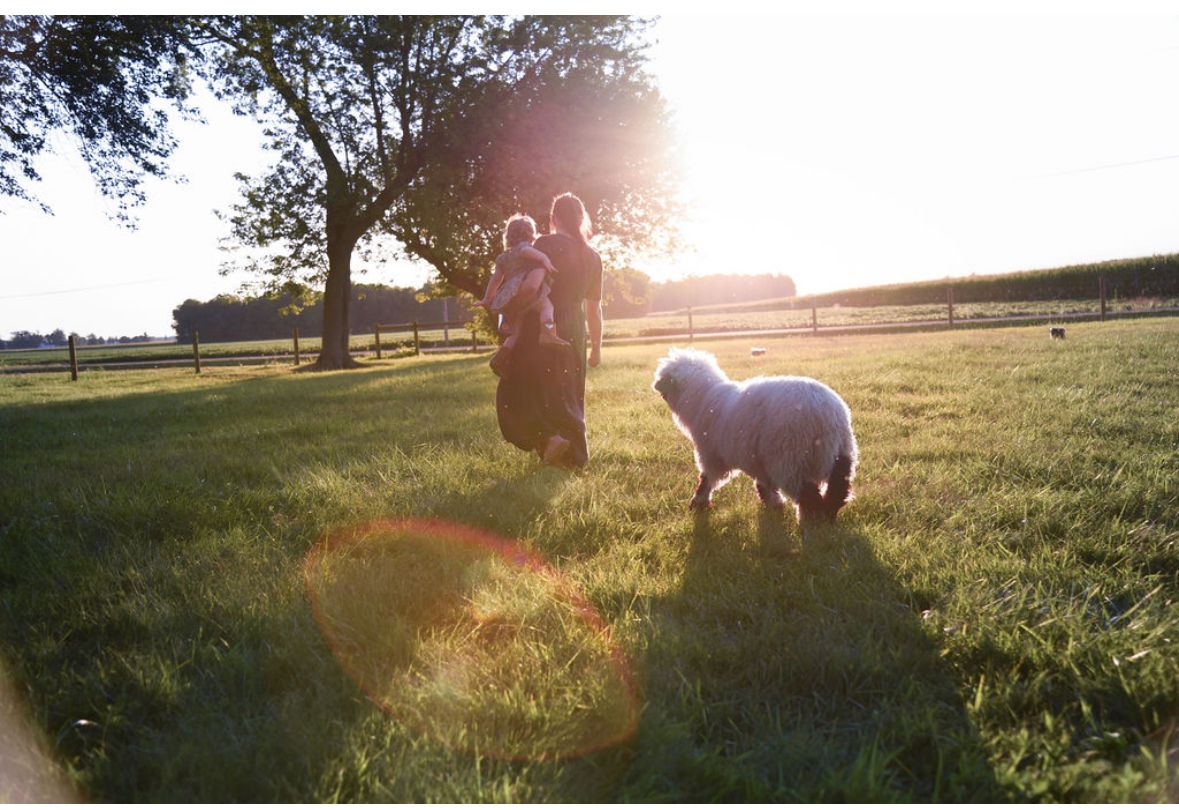
Our daughter has grown up inside this flock. She knows which ewe will take a handful of grass out of her hand and which ram to leave alone. That daily contact is the reason our lambs load easily, stand for a vet, and settle quickly into a new place.
Through the year
Valais Blacknose came from the Alps and they handle an Ohio winter without complaint — you will find them standing in the snow outside an open barn door by choice. What they do need is dry footing, good hay, and shade and shearing in the heat of the summer.
If you are considering the breed for the first time, come and see them in February as well as in June. It is the honest way to know what you are taking on.
They will follow you across a field for a scratch behind the horns, and then ignore a blizzard entirely.
Get in touch
We keep a short list and work down it as lambs are born, so tell us what you are looking for — breeding stock, a pair of wethers for the yard, or just a conversation about whether the breed suits your setup. We are happy to talk people out of it too.